Plenty of businesses know they should be using video. Far fewer know how to make video marketing work for them. The difference rarely comes down to budget or kit. It comes down to a sequence of decisions, made in the right order, before anyone hits record. Line those up well and a modest video can outperform a pricier one. Rush them and no amount of polish will rescue it.
How to Make a Marketing Video for Your Business
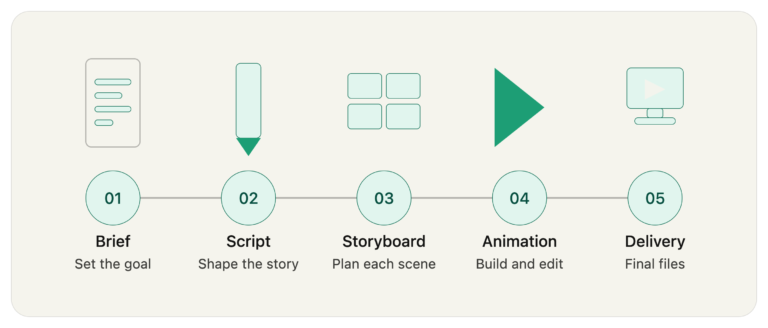
Treat video marketing as one skill and you’ll find it harder than it needs to be. An effective marketing video works as a sequence, each stage feeding the next, where order matters as much as the choices themselves. Most businesses don’t fall down because their video looks bad. They fell down because they started filming before they’d worked out what the video was for. The best practices boil down to four stages, and the handiest tips point the same way.
Define Your Goals and Audience
Video marketing starts before anyone touches a camera. Get clear on two things first: what the video is meant to do, and who it’s meant to do it for. Skip this, and you end up with a beautifully shot video that goes nowhere.
- Awareness: Hook viewers by drawing attention to a problem they already feel. The job is to be noticed and remembered, not to make a sale.
- Consideration: Build interest by showing how your solution fixes the problem you’ve just raised. This is where most explainer and product videos live.
- Conversion: Point prospects towards one clear action. If the viewer doesn’t know exactly what to do next, the video hasn’t done its job.
Then get just as specific about who you’re talking to:
- Audience: Who actually needs your solution, not “businesses” and not “everyone”.
- Platform: Where they genuinely spend their time online.
- Questions: What they’re already asking that your video can answer.
- Timing: What stage of the buying journey they’re at when your video reaches them.
Develop a Narrative and Storyboard
Once you know what the video is for and who it’s for, you can decide what it actually says. Good video marketing is snappy, concise, and makes the viewer feel something. The companies that pull this off don’t film more. They think harder first.
- Benefits Over Features: Show how the customer’s life gets better, not what your product technically does. Nobody buys a drill because they want a drill. They buy it because they want a hole in the wall.
- Simplicity: Hold each video to one or two core messages. Cram in five “key” points and none of them land.
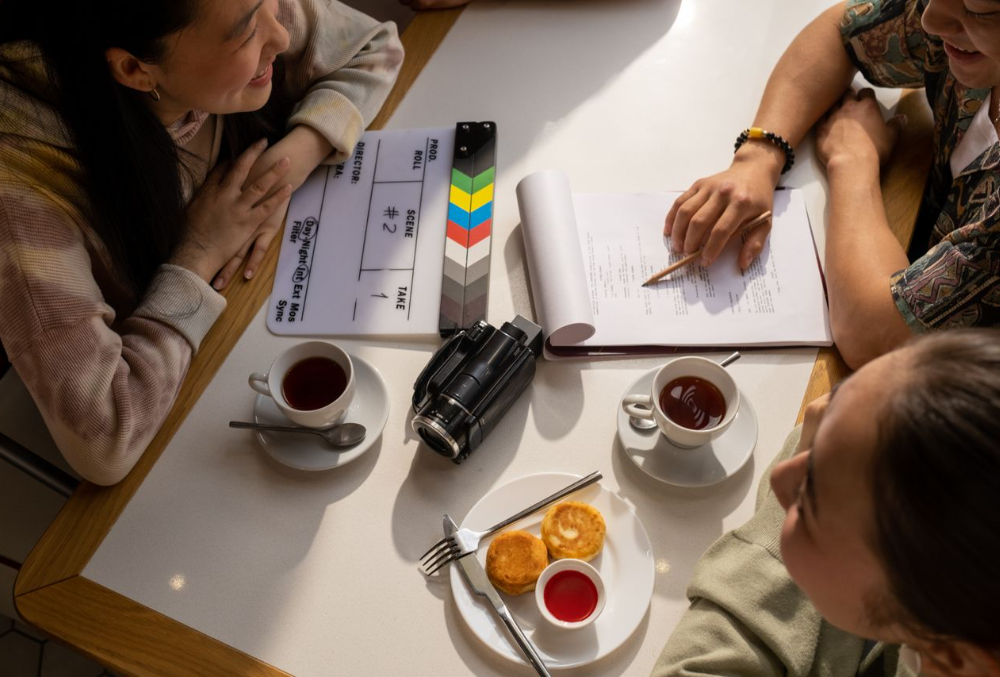
- Storyboards: Sketch the scenes before anyone turns up on set. A storyboard catches flow problems early, when they cost nothing to fix, rather than late, when they cost real money.
Production Essentials
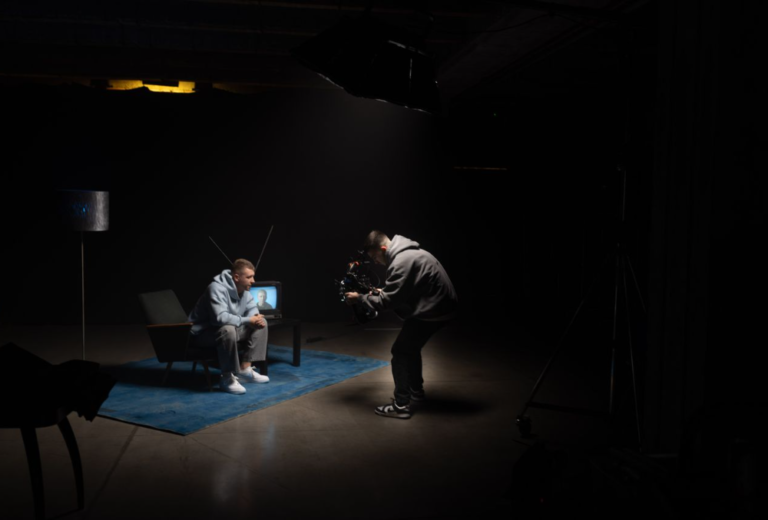
A strong story still has to survive contact with a camera, and that comes down to a few basics rather than a Hollywood crew. Get them wrong, though, and bad lighting or worse audio will sink a great script every time.
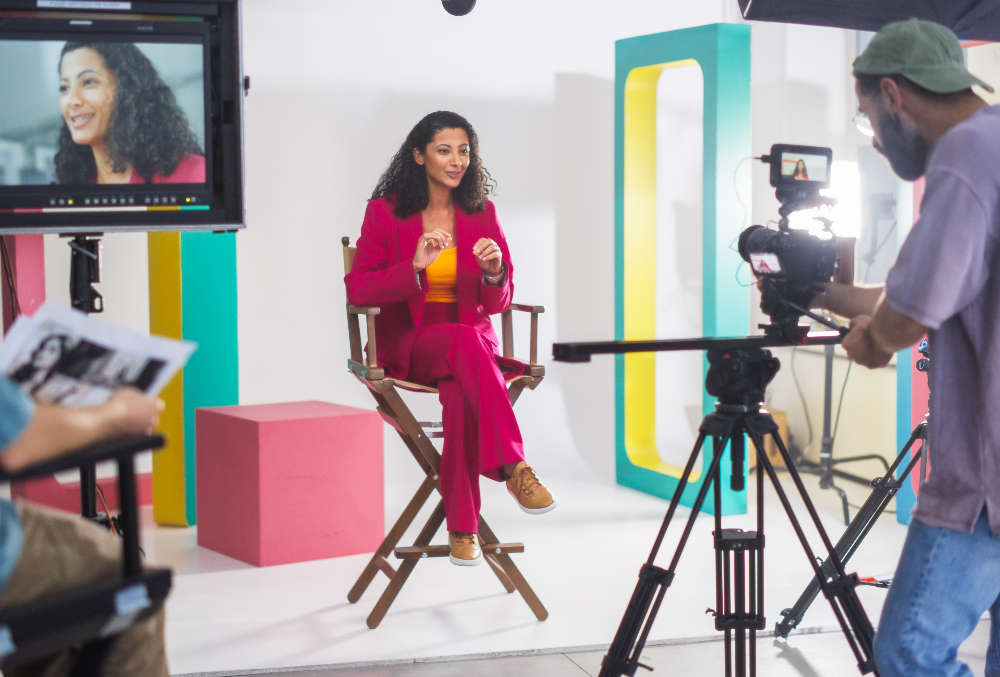
- Lighting: Shoot near a window with soft natural light, or pick up an affordable diffused ring light. Direct overhead office lighting is the visual equivalent of a passport photo.
- Audio: Viewers will forgive shaky footage. They won’t forgive bad sound. A basic clip-on lapel mic and a quiet room get you most of the way there.
- Brand Elements: Work in your logo, fonts, and colour palette consistently, so the video looks like it belongs to you rather than to a stock template.
Editing and Publishing
Footage in the can is only ever raw material. Editing is where it becomes the asset you set out to make, and where plenty of DIY videos either find their rhythm or quietly fall apart. The good news is you don’t need film school to do it competently.
- Editing Software: Use something beginner-friendly to trim clips, balance audio, add transitions, and colour-correct. Clean pacing matters far more than fancy effects.
- Accessibility: Add subtitles and captions. Around 85% of social video is watched on mute, so captions aren’t optional, and they earn you a useful SEO benefit on top.
- Placement: Don’t just upload to YouTube and hope. Embed the video on your website, drop it onto relevant landing pages, and put it wherever conversions actually happen. The same video can do very different jobs depending on where it sits.
How to Make a Viral Marketing Video?
Virality is the thing everyone asks for and almost nobody should chase. You can’t plan your way to a viral video. It tends to happen as a side effect of something else, and brands that set out to engineer it usually try too hard and convert nothing. The goal worth aiming for is shareability, which is both more achievable and far better for business.
- Emotion: Videos that make people feel something, whether they laugh, wince, gasp, or nod along, get shared. Videos that simply inform get bookmarked and forgotten.
- One Clear Idea: The videos that travel almost always reduce to a single sentence. If yours needs three sentences to explain, it isn’t going anywhere.
- The First Three Seconds: On every platform, the opening moments decide whether anyone sticks around. Lead with the hook, not the logo.
- Platform Fit: A video built for LinkedIn rarely lands on TikTok, and the reverse holds just as true. Shoot for the format and conventions of wherever it’ll actually live.
- A Reason to Share: Give people a genuine reason to pass it on. Useful, funny, surprising, or validating content gets sent around. Generic brand content stays put.
Chasing virality makes for a poor business goal. Building videos people genuinely want to share makes for a great one. Aim there, and the occasional viral hit becomes a bonus rather than the target.
Make Video Marketing Work, Without Doing It Alone
Whether you’re after shares or conversions, the discipline behind a strong video stays the same. What changes is how far you can stretch it, and that holds whether you’re shooting on a phone or commissioning a full production. The principles don’t move. The execution does.
Most businesses eventually hit a ceiling, where ambition outgrows the in-house setup. DIY video is brilliant, right up until it isn’t. Past a point, doing it all yourself stops saving money and starts costing you, in missed opportunities, lost conversions, and a brand that looks less sharp than it should.
That’s where a production partner starts to pay for itself, especially one that handles the full range of formats a modern strategy calls for, rather than leaving you to stitch several vendors together.
At Graphiss Media, that’s the gap we fill. As a premier video content production agency, we cover the whole spectrum of video marketing under one roof, from live-streaming video production and seminar event videography to corporate video, animation, and motion graphics in Singapore. Every project is handled in-house, from the first goal-setting conversation to the final file, with a dedicated contact who guides you through each stage rather than leaving you to work it out alone. When DIY has taken you as far as it usefully can, we’re ready to pick it up from there. Get in touch whenever you’d like to talk it through and learn more about our corporate video services.