Some corporate videos lodge in your memory. Most evaporate the moment they finish. The videos that stick do so because of specific, identifiable psychological mechanisms, deliberate decisions about emotion, narrative, music, pacing, and surprise that work on the viewer whether they notice or not. Get those right and a video lands. Get them wrong and you have paid for something nobody recalls by Friday.
Why Most Corporate Videos Don’t Stick
Most corporate videos aren’t bad. They’re well-shot, professionally edited, and still completely unmemorable, because they were built around the brief rather than around the viewer. The instinct on most projects is to cover things: the product features, the brand message, the company story. Nobody stops to ask how the viewer is going to feel watching it, or whether that feeling is strong enough to leave a trace. Whether a video is remembered comes down to a handful of psychological mechanisms, each shaping how corporate video should be made.
The Psychology of Memory and Why It Matters for Video
A little neuroscience makes this concrete. The brain runs on two systems: a fast, emotional one that reacts in an instant, and a slower, analytical one that weighs and judges. Video hits the fast system first, through image, sound, and movement, so the viewer feels something before they have evaluated anything. That’s why a corporate video that generates no emotional response leaves no durable memory. The viewer might agree they watched it, but they aren’t able to tell you what it said. A second mechanism reinforces this. Neural coupling means that when someone is genuinely absorbed in a story, their brain activity falls into step with the narrative, literally synchronising with what they are watching. The more absorbed a viewer, the more of the video actually lands.
How to Make Corporate Videos More Interesting: The 5 Psychological Levers
So how do you make a corporate video that triggers those mechanisms instead of bypassing them? It comes down to five tips: production decisions most teams treat as afterthoughts, when they are actually what decides whether a video is remembered.
1. Emotion: The Gateway to Memory
Emotion in video isn’t decoration. It does a job. Content that makes a viewer feel surprise, warmth, humour or a flicker of unease gets processed differently from content that leaves them nothing to feel. This holds for B2B as much as B2C; a procurement manager still remembers how a video made them feel.
Each emotion pulls its own lever:
- Warmth and human connection build trust.
- Surprise and delight drive sharing and recall.
- Pride and aspiration move people to act.
- Tension and resolution keep a viewer invested.
The mistake is treating any of this as polish on the message. A video that opens on product features and closes on a logo has given the viewer nothing to feel, and so nothing to remember.
2. Narrative Tension: The Engine That Keeps Viewers Watching
Narrative tension is a question you plant in the viewer’s mind and don’t answer straight away. The brain hates an open loop. It’s wired to seek resolution, so an unanswered question sits there, productively uncomfortable, holding attention until it resolves.
Creating that loop follows a simple shape. Establish a problem the viewer recognises, build towards a resolution, and deliver it with a genuine emotional payoff. Ignore that structure and you get the failure mode every viewer knows by heart: open on the company name, cut to a drone shot of the office, list the services, end on a call to action. No tension, no unresolved question. It’s a brochure with a play button.
3. Music: The Emotional Amplifier
Music is one of the most direct yet underrated routes to a viewer’s emotional state. The right track lifts the emotional response of a scene and helps the moment lodge in memory. It does this by pulling a few levers at once. Tempo sets the perceived energy and urgency, while key and mode, major against minor, tilt a moment towards hopeful or heavy. Familiarity works more quietly underneath both, because the brain trusts sounds it recognises as belonging to a world it already knows.
The usual error is settling for music that merely avoids being annoying. Inoffensive background music does the minimum, while music chosen to carry the emotional arc changes how the whole scene lands. Across a whole content library, a consistent musical direction also builds sonic brand recognition.
4. Pacing: The Invisible Craft Decision
Pacing is the rhythm at which a video hands the viewer its information, images, and emotional beats. It’s invisible when it works and fatal when it doesn’t. Move too fast, cutting every second and a half in a hunt for energy, and you overwhelm the viewer’s working memory, leaving no room to feel. Move too slowly, lingering on every talking point past the point of interest, and you lose them before a memory forms. The right pace sits between the two and gives emotional processing the room it needs. So let the emotional arc drive that pace, not the editor’s habits or the urge to cram in every message. The edit should serve the feeling, never the other way around.
5. Surprise: The Memory Spike
Surprise is a neurological event. When the brain meets something it didn’t see coming, it snaps to attention and releases a hit of dopamine, and that spike is exactly the condition under which strong memories form. In a corporate video, a moment of surprise turns a passive viewer into an alert one. A shift in tone, an unexpected admission, a line that says the thing nobody usually says out loud. Surprise here isn’t a stunt for its own sake. It means the creative team thought hard enough about what the viewer expects, then found a better version of it.
What This Means for How Corporate Video Should Be Made
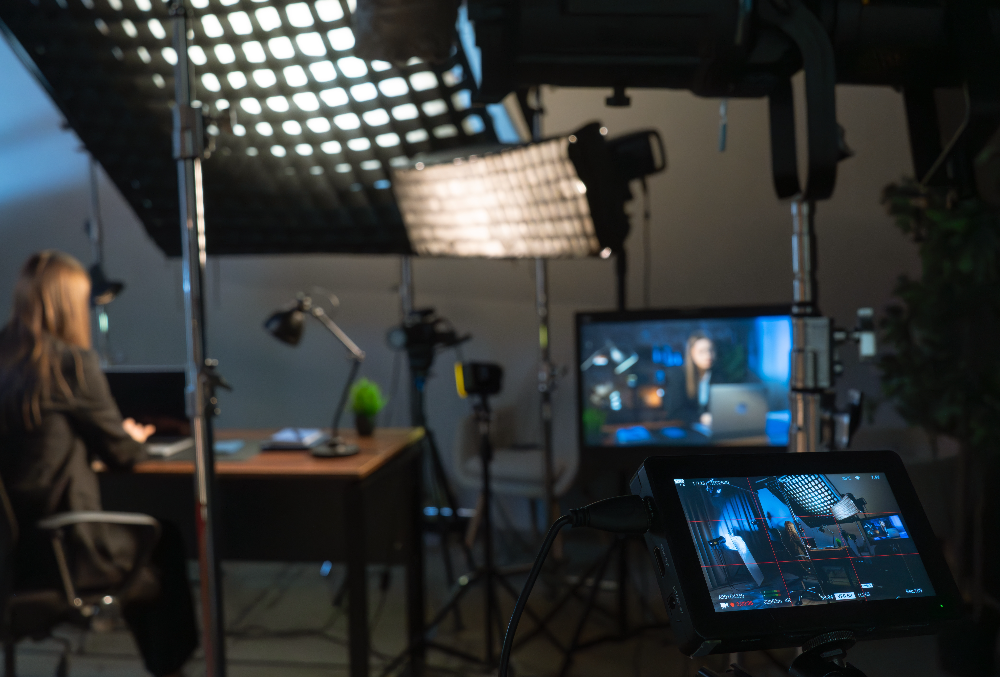
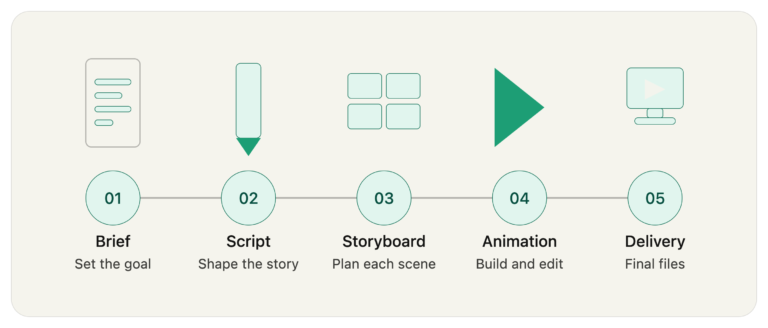
Put all five together and the process looks different. Before anyone asks about format, length, or distribution, two better questions come first. What do we want the viewer to feel? And what is the one thing we want them to remember? Those answers should shape every stage of the production process, from scripting to the final edit.
- Scripting: Start the brief with an emotional goal, then build the script around a narrative arc rather than a checklist of points to cover.
- Production: Every visual choice, from lighting and casting to performance and location, is an emotional decision as much as an aesthetic one.
- Post-Production: The edit, music, colour grade, and pacing are where the psychological experience is built, so treat them as levers, not finishing touches.
This is also where the choice of production partner quietly matters. A video content production company that asks “what do we want the viewer to feel?” at the briefing stage is doing something fundamentally different from one that asks “what do you want to say?” One question leads to a corporate video people remember. The other leads to a competent video that disappears the moment it ends.
Memorable Corporate Video Examples
All of this is easier to see on screen than to describe. The examples below show what the best corporate video storytelling looks like when the thinking comes first.
The Brief Is Where Memorable Video Starts
None of this is an accident of budget or luck. A memorable corporate video is the product of choices about emotion, tension, pacing, and the rest, most of them made long before the camera is switched on. That is why, at Graphiss Media, we start with the viewer, working out what your audience needs to feel before we settle what the video needs to say. Our corporate video services run the whole pipeline in-house, from concept to delivery, with a dedicated point of contact who holds that brief the whole way through. If you have a video coming up, get in touch and let’s start with the most useful question: what should it make people feel?