Most corporate video projects don’t plan for it. The shoot gets the meetings, the recces and the long debates over which spokesperson looks best on camera. Audio gets filed under “we’ll sort it in the edit,” somewhere between the colour grade and the final export. We think that’s backwards. Sound design is a creative discipline in its own right, and it shapes how an audience experiences every frame you worked so hard to capture.
What Is Sound Design in Video?
Sound design is the process of crafting, selecting and layering every audio element in a video. Some of it starts with what the microphones picked up on the day. Much of it is built afterwards, because a shoot rarely captures everything a scene needs to sound convincing.
That’s where sound design parts ways with audio recording. Recording captures what was there. Sound design shapes it, fills the gaps and adds whatever else needs to be there.
In the post-production pipeline, sound design usually begins once the edit is locked, often running alongside colour grading, and wraps up with the final mix before delivery. Its scope can be modest or ambitious. It might mean adding a quiet layer of ambient texture to an interview filmed in an empty office. It might mean building an entire sonic identity for a brand from the ground up.
The Building Blocks of Sound Design
Professional sound design comes from layering several audio components, each with its own job to do. Here’s what goes into the stack, along with practical tips for getting each layer right.
Dialogue
For most corporate videos, dialogue is the foundation, and getting it right starts on set. We recommend a backup microphone on every interview, because a lapel mic paired with a boom gives the editor a second option when a rustling collar spoils a take. In post, every line is then cleaned, levelled and processed so a studio presenter and a factory-floor interview sound like they belong in the same film.
Foley and Sound Effects
Foley recreates the everyday sounds that microphones miss or that need heightening: footsteps, the rustle of a jacket, a cup set down on a desk. Sound effects go a step further into impact, like the whoosh behind a graphic transition or the low thud that punctuates a cut. The trick is keeping both in proportion to the brand. A luxury hotel film and a fintech explainer call for very different sonic weight, and oversized effects quickly start to sound like a gimmick.
Music
Music is the emotional engine of a video. Whether it’s a licensed track, a commissioned score or a library piece, it sets the register of everything playing on top of it, and the wrong choice can make an otherwise well-made video feel off-key within seconds. If you’re choosing the track yourself, audition it under the voiceover rather than on its own. Plenty of pieces that sound great solo end up burying the dialogue.
Ambiance
Ambiance is the background environment that makes a scene feel real. An office without its low hum feels hollow, and a street without traffic feels staged. Viewers rarely register it consciously, yet it’s what tells them the world on screen is credible. That’s why it pays to have the crew record a minute of each location’s natural atmosphere on shoot day. It blends far better than a library loop.
Sound Editing
Sound editing is the technical groundwork beneath everything above. Cutting, trimming, syncing and organising each audio element gives the mix clean material to work with, and when it’s done properly, even a densely layered soundtrack feels effortless. Planning cut-down versions for social? Mention it before post begins, so the audio can be organised with those edits in mind.
Sound Mixing
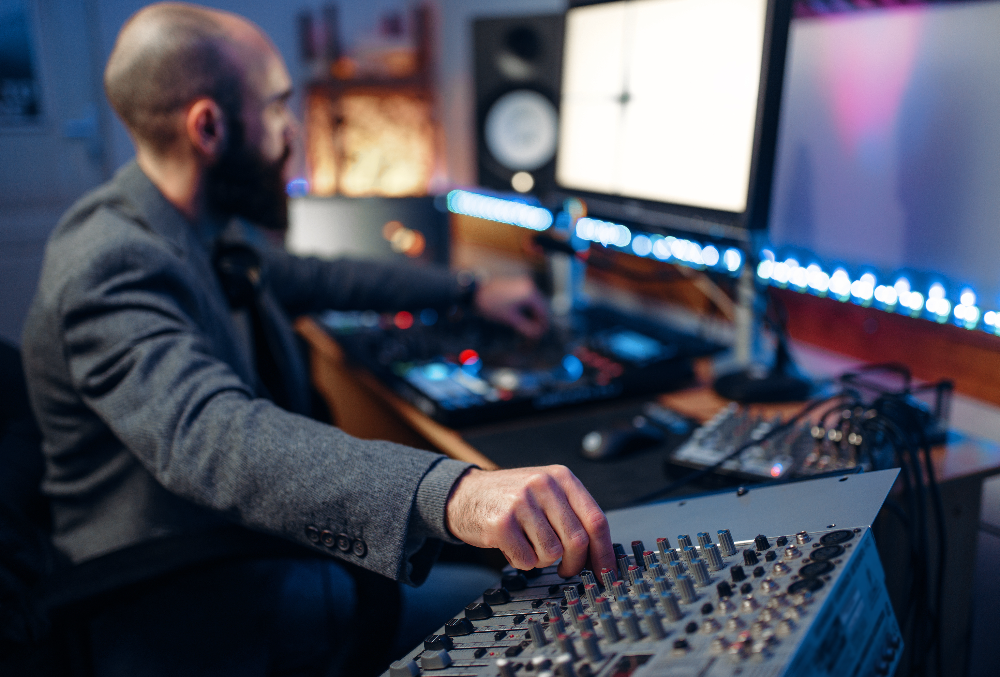
Mixing is where it all comes together. Dialogue sits clearly above the music, effects land at the right weight, and nothing competes for the viewer’s attention. It’s also where a soundtrack can quietly fall apart if the balance is off, which is why we suggest playing the final mix through a phone speaker before signing off. That’s how much of your audience will hear it, and it quickly exposes dialogue sitting too low.
Is Sound Design Only for Film and TV?
Say “sound design” and most people picture cinema: the roar of a car chase, the creak of a door in a horror film, the hum of a starship engine. It’s easy to see why so many corporate clients assume it’s either unnecessary for their projects or well outside their budget.
Here’s the thing, though. Every video already has sound design. The only question is whether the choices behind it were made on purpose or by accident.
Colour grading works the same way. Every video gets graded, even if the grade is just the camera’s flat default. Every video has an audio landscape too, and professional sound design simply means someone has shaped that landscape with intention.
Getting it right for a corporate video comes down to process. You need a disciplined post-production workflow and a video production house that treats audio with the same seriousness as the edit. The Hollywood budget is optional.
What Sound Design Actually Does for a Corporate Video
The technical layers matter, but what clients really want to know is what all that work does for their brand. Here’s where intentional sound design earns its place.
Your Video Feels More Credible
Clean, layered audio signals production quality in a way audiences pick up on instantly, even if they couldn’t tell you why. A considered soundscape quietly tells viewers that the brand behind the video takes its work seriously.
Sound Sets the Emotional Temperature
Music, ambiance and effects tell the audience how to feel, often before the presenter has finished their first sentence or a single line of text has appeared on screen. In most videos, emotion arrives through sound first.
It Reinforces Brand Identity
A consistent sonic signature works much like a colour palette. Think a recognisable music style, a signature sound on every logo reveal and a consistent approach to the mix across all your video content. Over time, that builds a kind of recognition audiences can hear.
Viewers Have a Reason to Stay
Poor audio is one of the fastest ways to lose a viewer. If people have to strain to hear or follow what’s being said, many simply won’t bother. Well-designed sound removes that friction, so your content gets a fair chance to do its job.
What You Offer Feels More Valuable
Audiences tend to judge a brand by the quality of what it puts out. A video with rich, cinematic sound makes a company feel more established and more worth trusting. That’s a useful impression to leave with anyone weighing up a premium product or service.
Sound Design Is What Separates a Video from an Experience
Which brings us back to where we started. The best sound design goes unnoticed, and its absence is felt almost immediately.
That’s why we see sound design as a strategic decision as much as a creative one. Every audio choice your audience hears is either working in your brand’s favour or quietly working against it. Good sound design makes sure it’s always the former.
At Graphiss Media, sound design is built into our corporate video services from the start, and we give it the same craft and attention we bring to the shoot itself, because it’s all part of the same story. If your next video deserves to be felt as well as seen, we’d love to talk through the audio approach that will get it there.