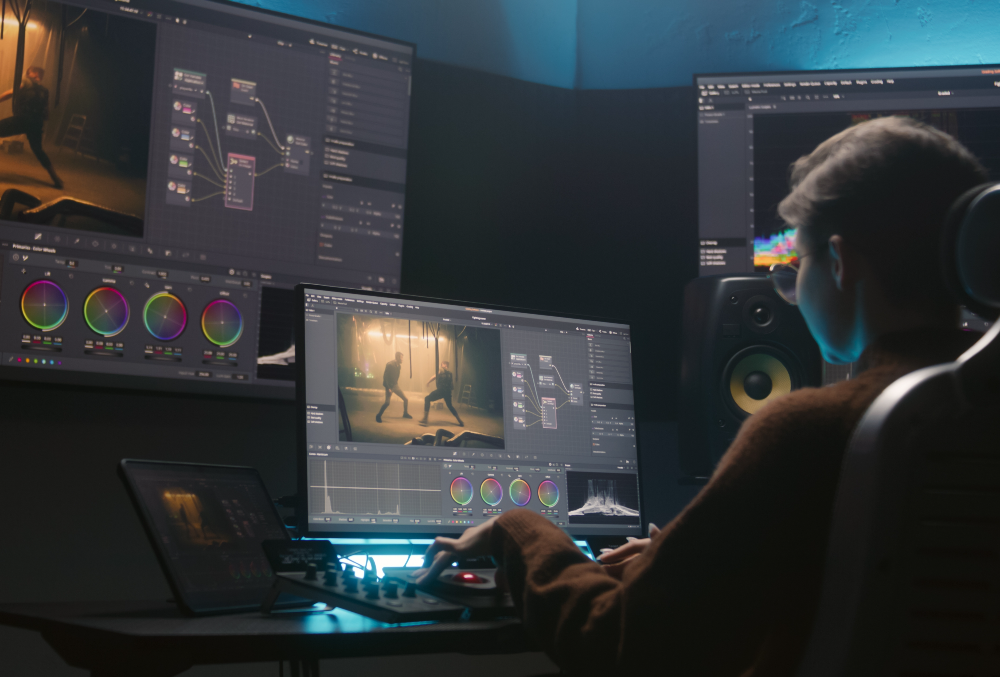
Nobody finishes watching a corporate video and thinks, “that colour grading was excellent.” If they did, something had gone wrong somewhere. The best colour grading works precisely because it disappears. It’s there in the warmth of a skin tone, the depth of a shadow, the way one scene settles into the next without a jolt.
That’s what makes it such an odd discipline to explain to clients. It’s one of the most influential decisions in the entire production process, and also one of the least visible. Colour is one of the first signals an audience uses to judge whether a video feels credible, professional, and consistent with the brand behind it. Get it wrong, and something reads as off before anyone can quite say why.
This is what happens after the shoot wraps and before the video ever reaches an audience: the craft decision most clients never see, and the one that quietly decides whether the finished piece actually looks finished.
What is Meant by Colour Grading?
At its core, colour grading is what turns raw footage into something that actually feels like the brand behind it: the process of adjusting and enhancing visual tone in post-production, shot by shot and then across the whole edit, until the video settles into one consistent, intentional look. It happens late in the process, after editing, once the cut is locked. By the time a colourist opens the project, the story has already been told in full. Their job is to make sure it looks the way it was always meant to.
The work is usually done in dedicated colour grading software such as DaVinci Resolve, by someone whose entire discipline is colour. That specialism matters. Grading isn’t a filter dropped over a finished edit. It’s a craft with its own tools, its own technical language, and its own set of creative decisions, handled by someone trained specifically to make those calls.
Why is Colour Grading So Important?
Colour is communication. Before a single word of dialogue lands, the tones, contrast, and palette of a video are already shaping how an audience feels about the brand behind it.
Within a single video, ungraded or inconsistently graded footage tends to read as unfinished, even to viewers who couldn’t explain why. A shot that runs slightly too cool, or a scene that doesn’t quite match the one before it, registers as a small inconsistency, and enough of those small inconsistencies leave the whole video feeling unpolished, no matter how strong the shoot itself was.
Grading also sets the emotional register of a piece. Warmer tones tend to feel approachable and human. Cooler tones read as precise and authoritative. A desaturated, muted palette can feel cinematic and considered. None of this happens by accident. Every one of these choices gets made deliberately, in service of how the brand wants to come across.
That same logic scales up beyond a single video. In brand video production in Singapore, a company that uses the same colour palette across multiple videos builds visual recognition in much the same way a logo or a typeface does. Audiences start to associate that look with the brand, often long before they consciously notice why.
Colour Correction vs Colour Grading: The Difference

These two terms get used interchangeably all the time, and the mix-up is understandable, since both happen inside the same software during the same general stage of post-production. But they describe two different jobs, with two different goals. Knowing the difference helps clients ask for the right one.
| Aspect | Colour Correction | Colour Grading |
| Purpose | The technical fix: getting every clip to a neutral, accurate baseline before any creative decisions begin | The deliberate shaping of mood, tone, and visual identity across the whole piece |
| Approach | Objective. Footage should look natural and balanced, and there’s a right answer to aim for | Creative. There’s no single right answer, only an interpretation of how the video should feel |
| Scope | Clip by clip, addressing inconsistencies between individual shots | Global, unifying every scene under one coherent visual language |
| Tools | Technical: waveform monitors, vectorscopes, histograms | Creative: curves, colour wheels, LUTs, and the colourist’s own eye |
When Does Colour Grading Make the Biggest Difference?
For any video production house, colour grading is a standard step in the post-production workflow, but a handful of situations make its impact especially obvious.
- Mixed-Light Environments: When footage spans multiple locations or lighting conditions, indoors and out, natural and artificial, colour grading pulls it all into one coherent look. Skip that step, and cuts between scenes feel jarring and unintentional.
- Product Demo Videos: Consistency is everything when the product is the hero. Grading makes sure colours stay accurate, and surfaces read correctly from shot to shot, which matters enormously when an audience is actively evaluating something to buy.
- Branded Video Content: Every video representing the brand publicly needs to align with everything else the company puts out. Grading applies the same palette, contrast, and tone that makes a video feel like it belongs to the same world as the website, the packaging, and the wider campaign.
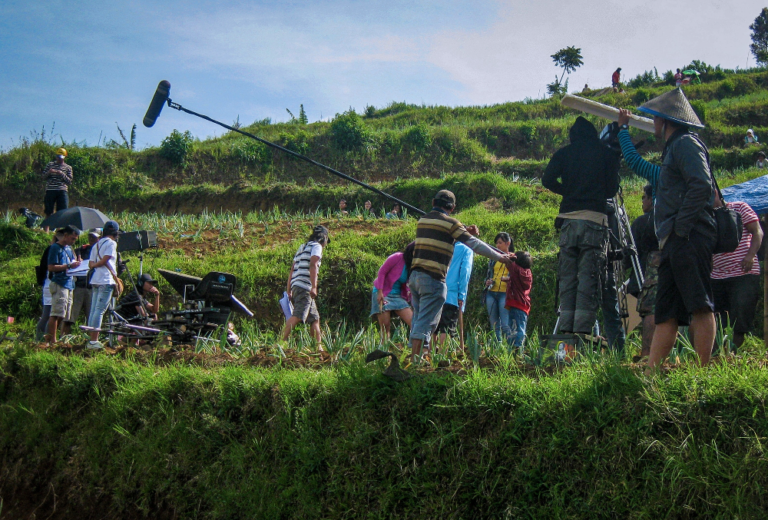
- Outdoor and Natural Light Footage: Daylight shifts constantly across a shoot day. Footage shot at 8am looks nothing like footage shot at 2pm, and grading reconciles that difference so the final edit feels like it was shot in one continuous, controlled moment.
The Grade Is Where the Video Comes Alive
Colour grading isn’t a luxury bolted onto the end of a shoot. It’s the stage where raw footage stops being footage and starts looking and feeling like the brand it’s meant to represent.
The best productions treat it that way: a genuine creative conversation between the director, the editor, and the colourist, not a technical checkbox ticked off before delivery. Get that conversation right, and the payoff shows up exactly the way it should: quietly, in a video that simply feels right from the first frame to the last.
If you’re planning your next video and want to talk through how it should look and feel before a single frame is shot, we’re always happy to chat.