You ask for a cinematic video. What you get back is clean, well-lit, competently shot footage of your event. Nobody did anything wrong. The word “cinematic” just meant something different on your side of the table than it did on ours, and by the time anyone noticed, the shoot day was over.
Videography and cinematography get used interchangeably in briefs, in meetings and in quote requests for corporate video production services, and most of the time nobody bothers to correct it. It only becomes a problem when the gap between those two words is quietly setting different expectations about crew, schedule, cost and the finished film. This practical guide helps you walk into a production conversation knowing exactly which one you’re asking for.
What Is Videography?
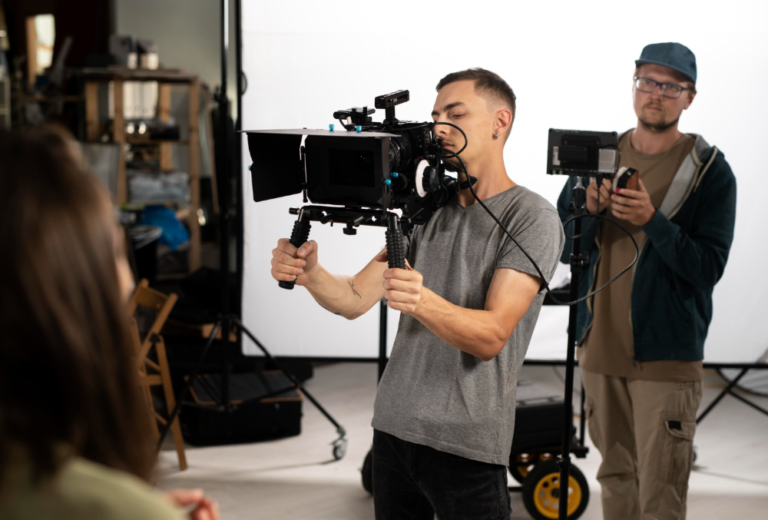
Videography is the practice of capturing real events, moments and subjects as they happen. The goal is accurate, efficient and reliable documentation. Something takes place in front of the camera, and the job is to get it cleanly and completely the first time, because there rarely is a second.
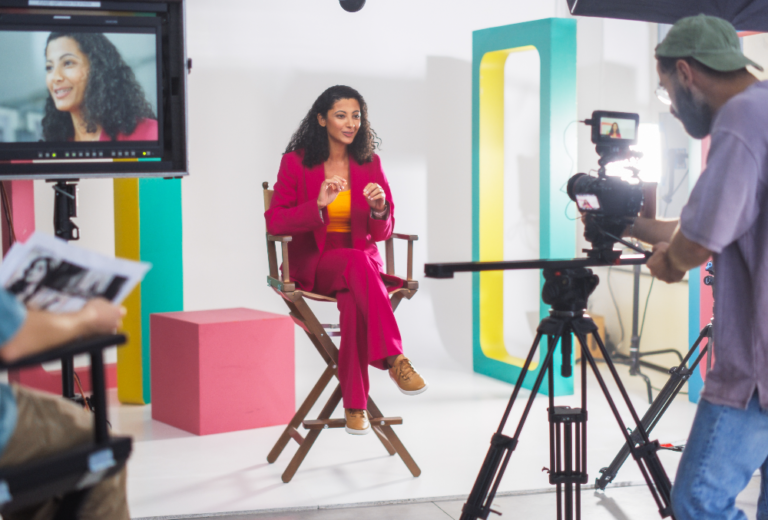
It’s the discipline behind most of the video your organisation already produces. Corporate events, conferences, panel discussions, interviews, live streams, internal communications and social content all sit here. Anything that would happen whether or not a camera was in the room.
The working approach tends to look like this:
- A smaller crew, often one to three people covering camera, audio and coordination
- Faster turnaround, with edits sometimes delivered the same day
- Equipment chosen for speed and adaptability rather than maximum image control
- Workflows built around coverage and consistency, so nothing important gets missed
None of that is a compromise. Videography is adaptable, cost-effective and exactly right for the vast majority of corporate video needs. When the priority is a faithful record of something that actually happened, it’s the correct tool and usually the only sensible one.
What Is Cinematography?
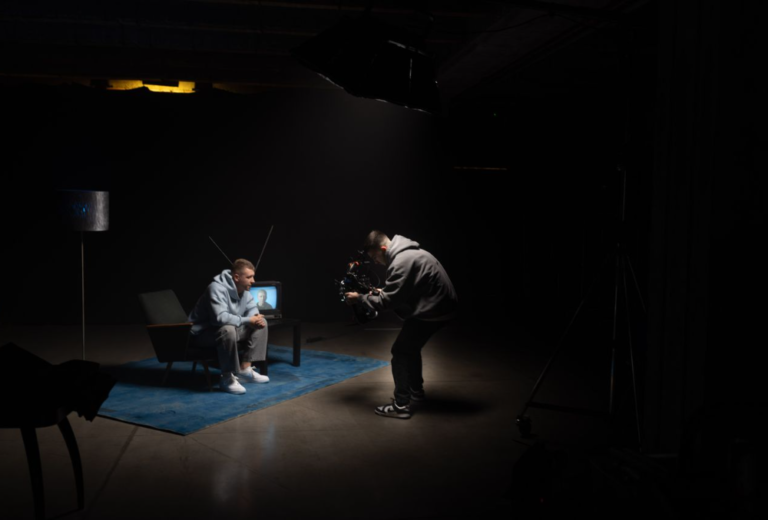
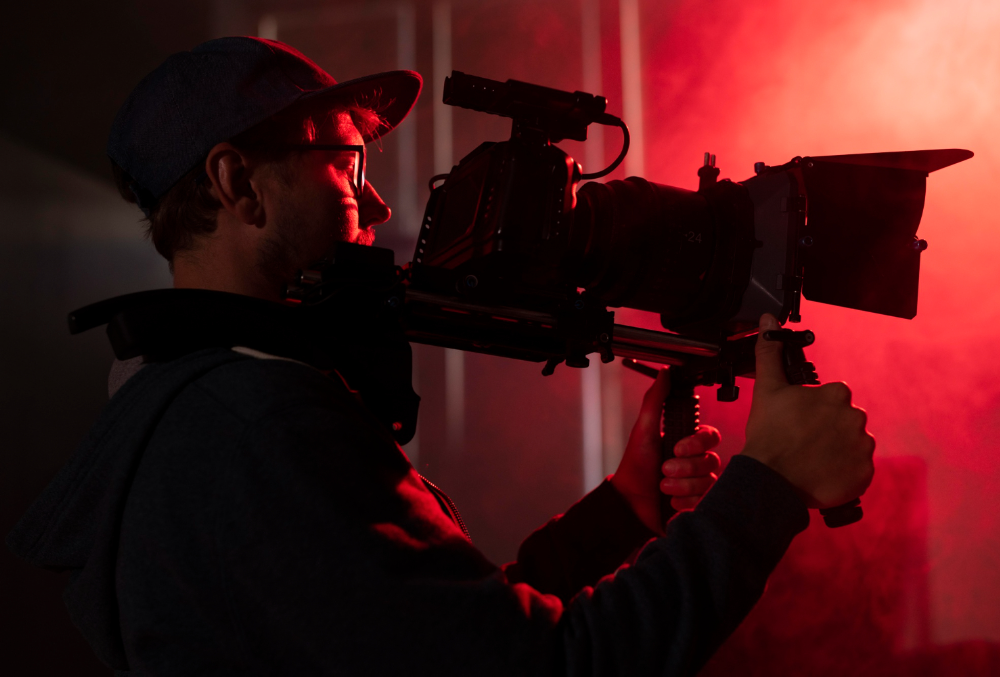
Cinematography is the art of using the camera and light to tell a story visually, where every frame is a deliberate creative decision. The role that anchors it is the Director of Photography (DP). The DP translates a director’s vision into a visual language, making the calls on shot composition, lighting design, camera movement and lens choice, then leading the camera and lighting teams who execute them.
Cinematography is built for brand films, commercials, campaign videos and any production where the visual experience carries as much weight as the information being communicated. These are the videos that have to hold attention from people who owe you none.
What is the Difference Between Cinematic and Traditional Videography?
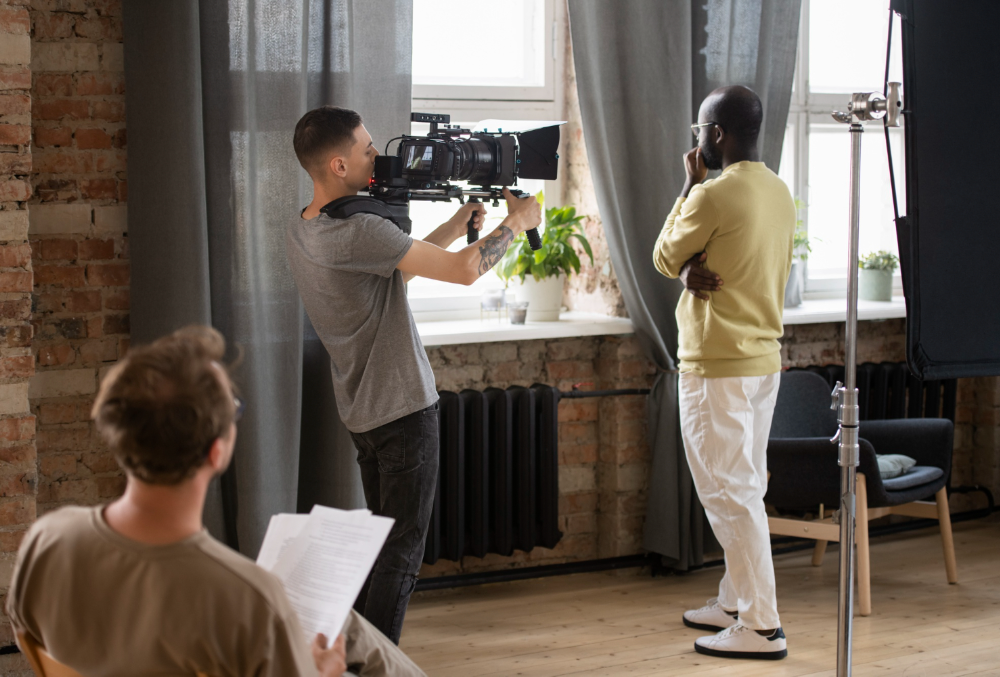
The difference between them is philosophical before it’s technical. Videography serves the subject. Cinematography serves the story. That distinction drives everything else, including how many people turn up, what they bring, how long they need, and what happens to the footage afterwards.
Here’s how cinematography vs videography plays out across the four areas that affect your budget most.
| Videography | Cinematography | |
| Crew size | 1 to 3 people, multi-role | Specialised team: DP, gaffer, operator, grip |
| Equipment | Versatile, portable, fast to deploy | Cinema lenses, lighting rigs, sliders, gimbals |
| Planning | Run sheet and shot brief | Storyboards, shot lists, lighting plans, recces |
| Direction | Camera follows the subject | Camera is directed to create a feeling |
| Post-production | Clean edit, colour correction, quick delivery | Colour grading, sound design, iterative creative review |
| Turnaround | Days, sometimes the same day | Weeks, depending on scope |
Equipment and Crew Size
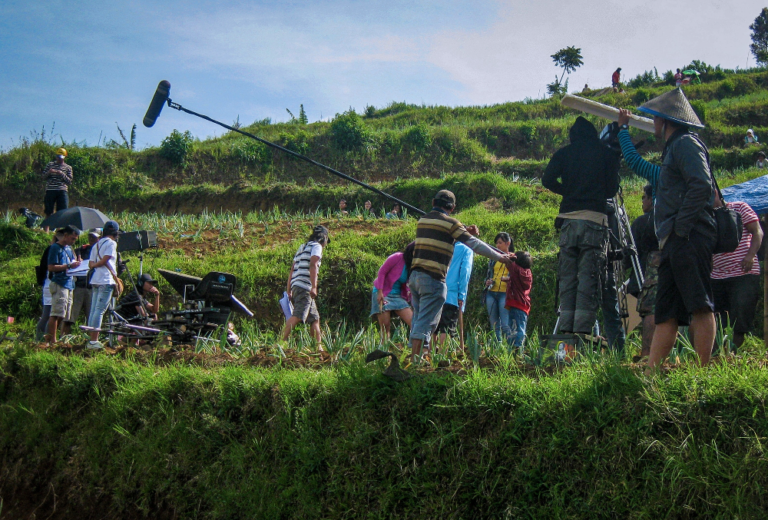
Videography runs lean by design, with versatile camera setups and kit chosen to perform in rooms nobody controls. Cinematography works the other way, bringing a specialised crew where each person owns a layer of the image and equipment that prioritises quality and creative control over portability. What that means for your project is straightforward enough. More crew and more kit brings more setup time, higher day rates, and a schedule with room built in for the craft involved.
Artistic Vision and Direction
That difference in crew comes from a difference in intent, and intent is where videography vs cinematography really splits. In videography, the camera follows the story, and the subject leads while the videographer captures it as faithfully and efficiently as possible. Cinematography follows filmmaking, the camera tells the story, with the DP and director designing each shot to communicate something specific, whether that’s tension, warmth, scale or intimacy. All of that gets decided between the brief and the shoot, which is why storyboards, lighting plans and location scouts are standard rather than optional. It asks more of your brief upfront and returns a more deliberate result for it.
Required Skills
Different intentions call for different strengths behind the camera. A great videographer works without being noticed, technically fluent, quick-thinking, and always in the right place when something happens once and won’t happen again. Cinematography draws on a different core, built around a strong visual eye, a deep understanding of light and composition, and the ability to collaborate closely with a director to turn a concept into a visual language.
The overlap between the two is bigger than the job titles suggest. Both demand mastery of the camera, a working knowledge of post-production, and composure under pressure. What separates them is what each discipline puts first. Neither is the less skilled option. They’re two kinds of expertise, built for two kinds of projects.
Post-Production
The split carries through to the edit. Videography post-production focuses on clean editing, accurate colour correction and a fast turnaround, where the footage is the star and the edit stays out of its way. Cinematic post-production continues the work of the shoot instead, so colour grading gets more ambitious, the edit is more deliberate, and music, sound design and pacing are treated as storytelling tools in their own right. That takes longer and involves more specialist input, typically a dedicated colourist, a sound designer and a more iterative review process. The payoff is a film that makes an audience feel something rather than simply showing them what occurred.
Can Cinematography Work for Corporate Video and Should You Consider It?
It can, and the more useful question is whether a particular project justifies that level of craft rather than whether cinematography belongs in corporate video at all.
Sometimes it clearly does. Brand films, launch campaigns and investor content are all making an impression on people who have no obligation to keep watching, and the same goes for anything representing the company at its most visible. That’s where cinematic treatment earns its place.
The hesitation usually comes from a suspicion that cinematic is a polite word for expensive vanity spend, though the calculation tends to run the other way. One brand film made with genuine cinematic intent often does more for how people remember and describe your brand than a library of competent corporate videos nobody revisits.
So here’s a rough test. If the video needs to last, to move people, or to define how the brand is perceived, cinematography is the right tool. If it needs to inform, document or cover a live event, videography delivers better value with far less fuss.
The Right Lens for the Right Job
Neither videography nor cinematography outranks the other. They’re different tools built for different outcomes, and the mistake worth avoiding is choosing between them on budget or aesthetic preference alone. Let the purpose of the video lead the conversation. Who needs to see it, what they need to understand, and what they should feel by the end.
As a premier video content production agency, we work across both, and part of our job at the brief stage is telling you honestly which one your project actually calls for. Sometimes that means a full cinematic crew and a proper prep period. Sometimes it means two people, a clean setup and a fast edit. Tell us what your project needs to achieve and we’ll tell you which approach fits.