Choosing a video production company involves reviewing their portfolio for quality and relevance, assessing their understanding of local audience trends, and checking client testimonials for reliability.
You should also define your project scope, compare quotes, and, if needed, ensure that the video production company has in-house expertise in areas such as animation or live streaming. Get these checks right, and the rest of the process tends to fall into place.
What Is a Video Production Company?
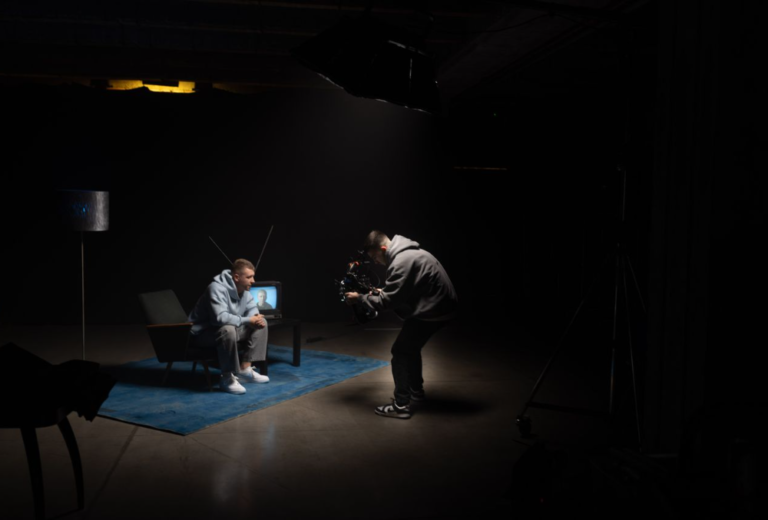
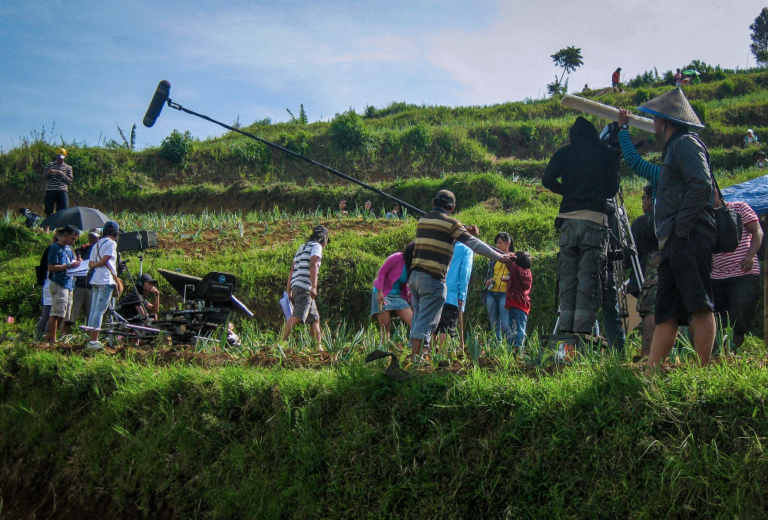
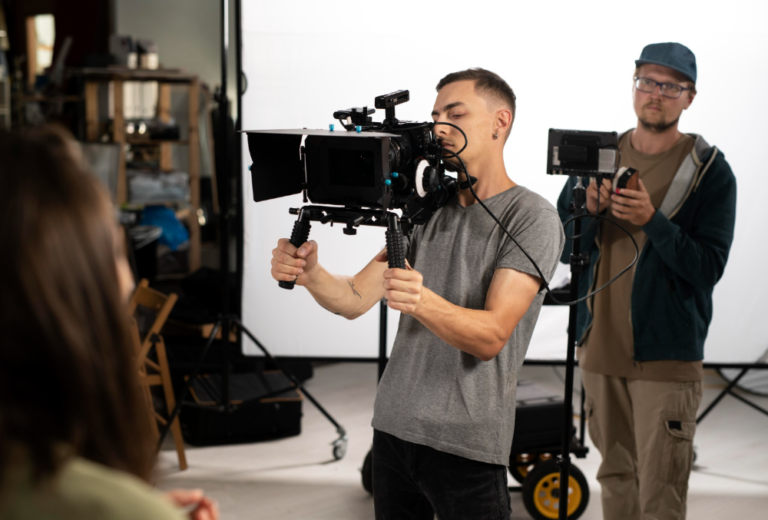
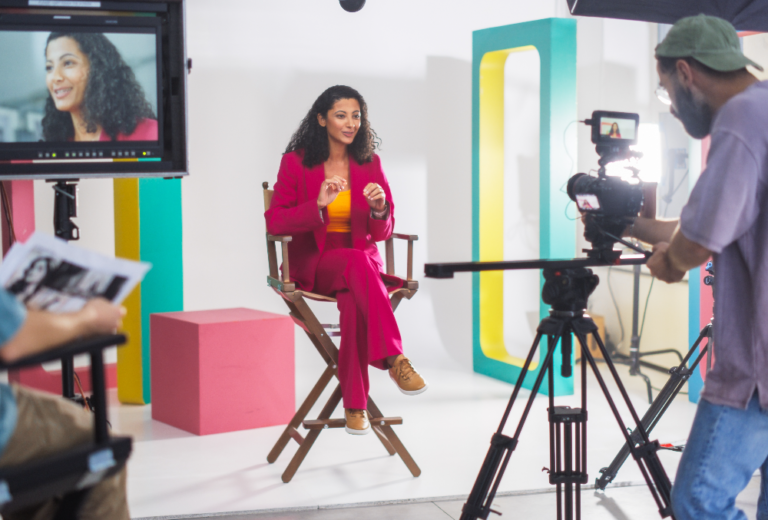
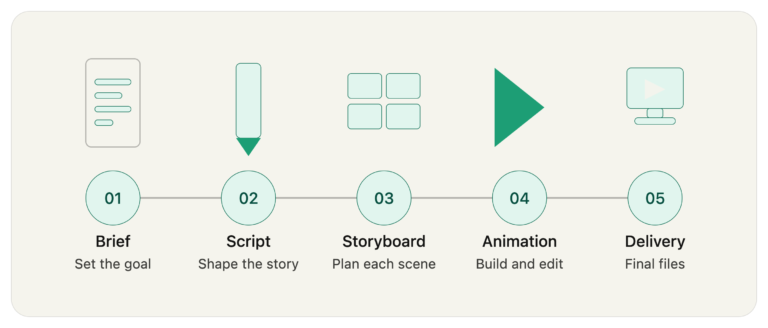
A video production company is a creative and technical partner that handles video delivery, from the first conversation to the final export. A full-service studio runs the whole pipeline under one roof, which consists of three phases:
- Pre-Production: Briefing, scripting, storyboarding, and casting all happen here before a single camera rolls
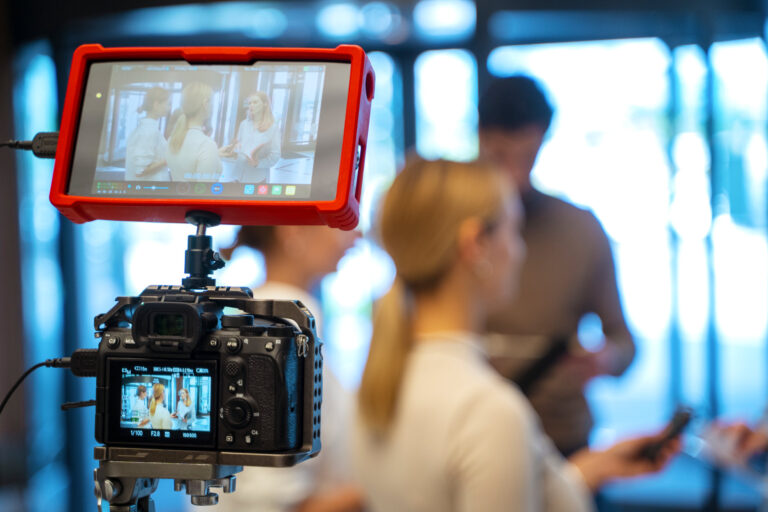
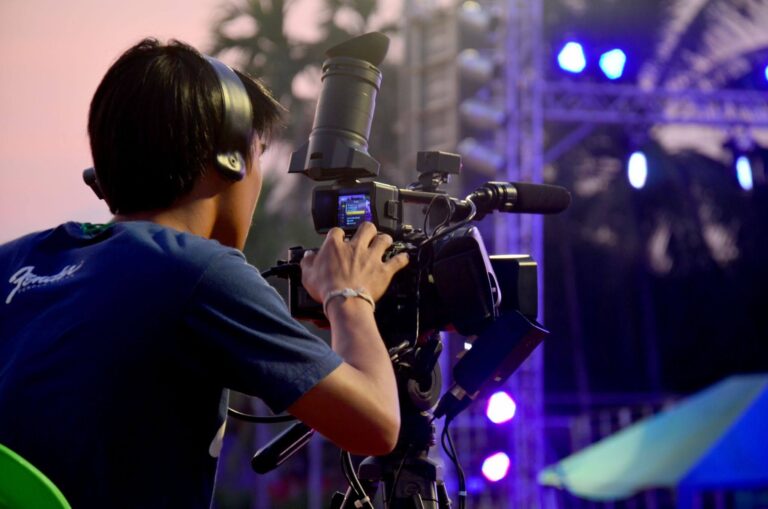
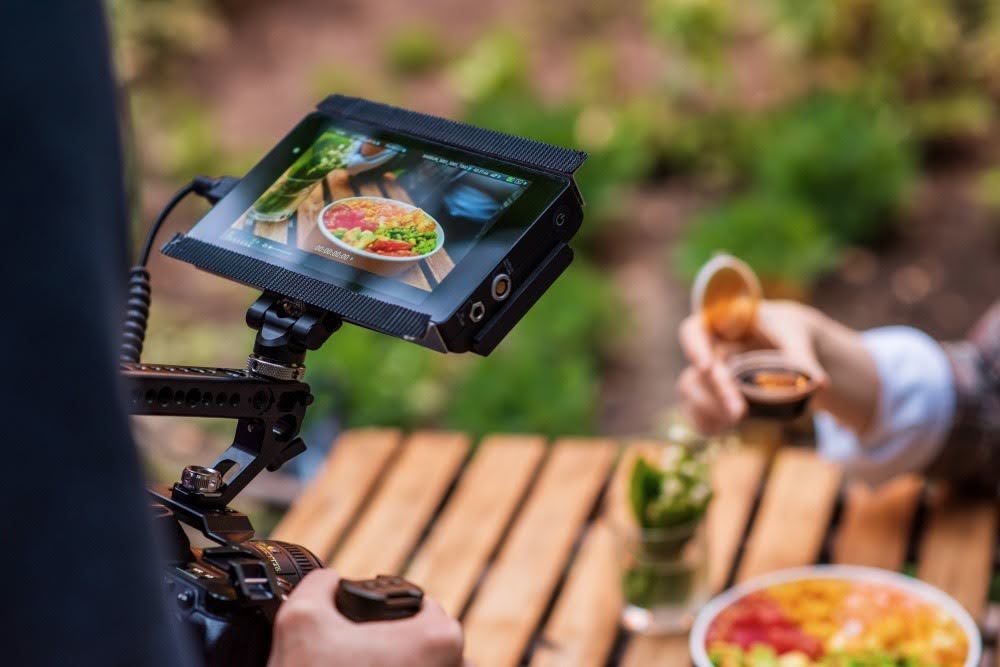
- Production: Crew, equipment, and on-set direction come together to capture the footage you need
- Post-Production: Editing, colour, motion graphics, sound design, and final delivery shape the raw footage into a polished video
A freelancer might be brilliant at one piece of this, like editing or shooting, but you’ll be stitching the rest together yourself. A full-service video production house carries the load end-to-end. This means you’ve got one team accountable for the entire outcome, one creative vision running through every frame, and one point of contact when something needs to shift mid-project.
Steps to Choosing the Right Video Production Company
Here’s how to choose a video production company without getting burned by guesswork or sales gloss:
Step 1: Review the Portfolio, Not Just the Showreel
Showreels look great in 60 seconds. They’re designed to. But a sharp showreel doesn’t always mean strong storytelling across a full-length project. That’s why you should ask for complete videos, not just the highlight cuts.
Additionally, look for video production companies that have worked in your niche, whether that’s corporate, retail, tech, or finance. Look for tonal range too, because a portfolio that recycles the same look across every brand suggests a one-size-fits-all approach.
You should also prioritise recent work from the last 12 to 18 months, since teams, gear, and trends shift fast in this industry. If a studio won’t share full-length samples, treat that as a red flag.
Step 2: Confirm In-House Capabilities
In-house teams tend to deliver tighter coordination, stronger quality control, and clearer accountability when something needs fixing. Outsourced pipelines can work, but they add layers between you and the people doing the work.
To determine the capabilities of the production house, ask a few direct questions:
- Creative Direction: Are scriptwriting and creative direction handled internally or farmed out?
- Production Crew: Are directors, camera operators, and on-set crew part of the core team?
- Post-Production: Are editors, motion designers, and colourists internal or freelanced per project?
- Account Servicing: Is there a dedicated point of contact who’ll guide you through the process?
The more of these that sit under one roof, the less you’ll be chasing answers when timelines tighten.
Step 3: Verify Experience and Reputation
Self-published testimonials are the weakest form of social proof. They’re cherry-picked, untraceable, and rarely tell you anything useful. That’s why you should check Google Reviews and platforms like Clutch for unfiltered feedback.
Look for case studies that name actual clients and describe real outcomes, not vague claims about elevated brand storytelling. Ask for direct references in your industry, especially if you’re producing something specialised, such as a multi-camera conference shoot or a regulated-sector explainer.
You should also dig into how long the video production company has been operating and whether they’ve handled projects at the scale or complexity of yours. A quick scan of their LinkedIn, About page, and client roster usually tells you whether they’ve genuinely been around the block or just dressed up a thin portfolio.
Step 4: Have an Honest Budget Conversation
How much does it cost to hire a video production company? The honest answer is that it depends on the scope. Withholding your budget doesn’t get you a better deal; it just delays the useful proposals. When quotes come in, look for clarity across three areas:
- Pre-Production Scope: A clear breakdown of briefing, concept development, and scripting work
- Production Scope: Defined crew, equipment, and shoot days, with no vague catch-all line items
- Post-Production Scope: Structured editing, graphics, and delivery stages with clear revision rounds
Transparent line items beat lump-sum pricing every time. And if a quote comes in suspiciously cheap, ask what’s been left out. It almost always shows up later as a change order.
Step 5: Assess Communication and Creative Fit
The first call tells you most of what you need to know. Are they asking sharp questions about your audience, objectives, and brand, or just waiting to pitch? Do they push back when your idea won’t serve the goal, or nod along at everything? Do they explain trade-offs honestly, such as why a longer edit might increase the budget but convert better?
That’s the difference between a production vendor and a production partner. One executes a brief. The other helps you build a better one.
Common Mistakes to Avoid
A few things to sidestep when you’re shortlisting:
- Going on Price Alone: The cheapest quote often becomes the most expensive project after rework
- Skipping Industry Checks: General experience isn’t the same as relevant experience in your sector
- Starting Without a Clear Brief: Vague briefs get vague proposals, so define the scope before reaching out
- Treating Them as a Vendor: The best work happens when you collaborate, not delegate
- Ignoring the Kickoff Chemistry: If the first call feels off, the rest of the project will too
Choosing the Right Partner for the Long Game
The right video production company asks better questions, runs a tighter process, and pushes your idea further than you expected. The cheapest quote rarely produces the cheapest project once rework, missed deadlines, and brand-off output are factored in.
At Graphiss Media, we work as a bespoke, end-to-end production house with in-house pre- and post-production capabilities and dedicated account servicing on every project. Whether you’re looking for corporate video services for a flagship campaign or planning your next launch, we’ll guide you through every step.
If you’re ready to hire a video production company that treats your project like its own, reach out for a chat.